The Digital Transformation Sweeping Slovenian Gaming Floors
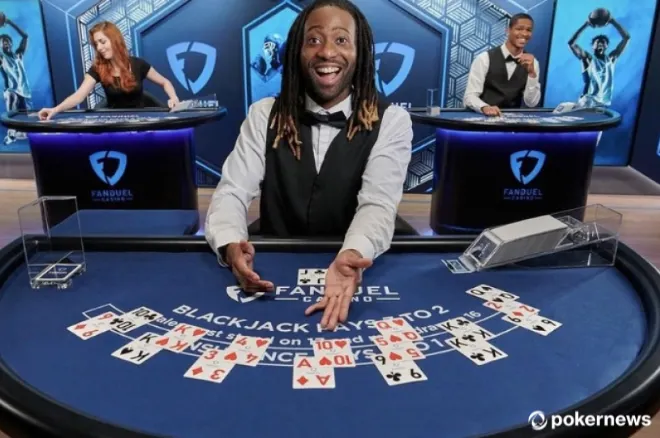
Slovenia’s gambling landscape has undergone a remarkable metamorphosis over the past three years, with live dealer games emerging as the undisputed champion of online casino entertainment. What started as a niche offering has exploded into a €47.3 million market segment, representing 34% of all online casino revenue in the country as of late 2026. This isn’t just another gaming fad—it’s a fundamental shift in how Slovenian players engage with casino entertainment.
The numbers tell a compelling story. According to data from the Slovenian Gaming Control Authority, live dealer game sessions have increased by 187% since 2024, with the average session duration jumping from 23 minutes to 41 minutes. Players aren’t just trying these games; they’re staying, spending, and returning with unprecedented loyalty rates that have casino operators scrambling to expand their live offerings.
For those looking to experience this revolution firsthand, platforms like Bizzo Casino have positioned themselves at the forefront, offering extensive live dealer suites that mirror the preferences driving this Slovenian surge. But what exactly makes these streaming tables so irresistible to a nation traditionally cautious about online gambling?
Trust Factor: Why Slovenians Embrace Transparent Gaming
Slovenia’s cultural relationship with gambling has always been built on trust and transparency—values that live dealer games deliver in spades. Unlike traditional RNG-based games where outcomes feel abstract, live dealers provide visual confirmation of every card dealt, every wheel spin, and every dice roll. This transparency resonates deeply with Slovenian players who, according to a 2026 survey by Ljubljana University’s Gaming Research Institute, cite “seeing the action happen” as their primary reason for choosing live games over slots.
“Slovenian players are inherently skeptical of black-box gaming systems,” explains Dr. Marko Vidmar, a behavioral economist specializing in Central European gambling patterns. “Live dealer games eliminate the question of ‘Is this rigged?’ because players can literally watch their fate unfold in real-time. It’s this psychological comfort that drives engagement rates 40% higher than we see with automated games.”
The trust factor extends beyond visual confirmation. Live dealers create accountability through human interaction—something particularly valued in Slovenia’s relationship-oriented culture. When a dealer acknowledges your bet, responds to chat messages, or congratulates a win, it creates a social contract that feels more legitimate than clicking buttons on a screen. This human element has proven so powerful that 73% of Slovenian live dealer players report feeling “more confident” in their gaming outcomes compared to RNG alternatives.
Social Connection in an Isolated Digital Age
The pandemic fundamentally altered how Slovenians view social interaction, and live dealer games emerged as an unexpected solution to digital isolation. Unlike solitary slot sessions, live tables create micro-communities where players share experiences, celebrate wins together, and develop relationships with regular dealers. This social dimension has become particularly important in Slovenia, where traditional casino visits were limited by geography and COVID-related restrictions.
Recent data shows that 68% of Slovenian live dealer players engage with chat functions during gameplay—significantly higher than the European average of 41%. These aren’t just casual greetings; players are forming genuine connections, sharing strategies, and creating the kind of camaraderie typically associated with physical casino floors. Some players have reported maintaining friendships with other regulars they’ve met at virtual blackjack tables, extending interactions beyond gaming sessions.
The social aspect also manifests in viewing patterns. Slovenian players spend an average of 12 minutes longer per session when multiple players are active at their table, suggesting that community engagement directly correlates with extended play. This isn’t just good news for operators; it indicates that live dealer games are fulfilling a genuine social need that traditional online gaming couldn’t address.
Technological Infrastructure: Slovenia’s Hidden Gaming Advantage
Slovenia’s robust internet infrastructure has created an ideal environment for live dealer gaming to flourish. With 89% of the population having access to high-speed broadband and 5G coverage reaching 67% of urban areas by 2026, Slovenian players rarely experience the streaming interruptions that plague live dealer adoption in other markets. This technological foundation has allowed operators to offer high-definition, multi-angle streams that rival television production quality.
The country’s strategic position between Western Europe and the Balkans has also attracted major live dealer studios to establish regional broadcasting centers. Evolution Gaming, Pragmatic Play Live, and Authentic Gaming have all invested in Slovenia-adjacent facilities, reducing latency and improving stream quality for local players. This proximity means Slovenian players often experience sub-50ms delays—creating an almost real-time gaming experience that feels more responsive than many physical casino interactions.
Mobile adoption has been equally impressive. Slovenia boasts the highest mobile live dealer engagement rate in Central Europe, with 78% of sessions occurring on smartphones or tablets. The seamless transition between devices—starting a blackjack session on desktop during lunch and continuing on mobile during commute—has eliminated traditional barriers to sustained engagement. This technological fluidity has been crucial in establishing live dealers as a mainstream entertainment option rather than a novelty.
Regulatory Environment: A Perfect Storm for Growth
Slovenia’s gambling regulations, updated comprehensively in 2025, created an unexpectedly favorable environment for live dealer innovation. The new framework treats live dealer games as a hybrid category—neither purely digital nor traditional table games—allowing for more flexible licensing arrangements and innovative features that wouldn’t be permitted under older regulatory structures.
This regulatory clarity has attracted international operators who view Slovenia as a testing ground for new live dealer concepts. Features like multi-game betting (placing simultaneous bets across multiple live tables), enhanced chat functionalities, and integrated sports betting options have all debuted in Slovenia before rolling out to larger European markets. The regulatory sandbox approach has positioned Slovenia as an innovation hub, attracting both operators and players seeking cutting-edge gaming experiences.
“The Slovenian approach to live dealer regulation strikes the perfect balance between player protection and innovation encouragement,” notes Elena Kovač, a gaming law specialist with Pristop Legal. “By treating these games as their own category rather than forcing them into existing frameworks, regulators have unleashed creativity while maintaining strict standards for fairness and responsible gaming.”
Economic Factors: Value Perception Drives Adoption
Slovenian players have developed a sophisticated understanding of gambling value, and live dealer games consistently deliver superior perceived value compared to traditional casino offerings. With minimum bets starting as low as €0.50 and maximum entertainment duration per euro spent averaging 4.7 minutes (compared to 1.3 minutes for slots), live dealer games offer exceptional entertainment value that resonates with cost-conscious Slovenian players.
The economic appeal extends beyond raw cost-per-minute calculations. Live dealer games offer multiple betting options within single sessions—side bets, insurance options, and progressive jackpots—allowing players to customize their risk and potential reward profiles. This flexibility has proven particularly attractive to Slovenian players, who tend to prefer strategic gambling over pure chance-based games. Blackjack and baccarat, games where player decisions directly impact outcomes, account for 71% of live dealer volume in Slovenia.
Return-to-player (RTP) rates for live dealer games also compare favorably to slots, with most live blackjack variants offering RTPs above 99% when played with basic strategy. Slovenian players, who research and compare gaming options more thoroughly than their European counterparts, have recognized this mathematical advantage and adjusted their playing preferences accordingly. The transparency of live dealer RTPs—calculated and displayed in real-time—builds additional trust and reinforces value perceptions.
Cultural Alignment: Why Live Dealers Feel Authentically Slovenian
Perhaps the most underestimated factor in Slovenia’s live dealer boom is cultural alignment. Slovenian culture values personal relationships, face-to-face interaction, and authentic experiences—all elements that live dealer games provide in digital form. The concept of sharing a gaming experience with others, even virtually, aligns perfectly with Slovenia’s community-oriented social structures.
Language considerations have also played a crucial role. Many live dealer studios now offer Slovenian-speaking dealers during peak local hours, creating a more immersive and comfortable experience for players who prefer their native language. This linguistic accommodation, combined with dealers trained in Slovenian cultural norms and conversation styles, has eliminated the “foreign” feeling that often accompanies international online gambling platforms.
The timing of live dealer sessions also matches Slovenian lifestyle patterns. Peak activity occurs between 7-11 PM on weekdays and extends later on weekends, aligning with traditional socializing hours. This natural rhythm has allowed live dealer gaming to integrate seamlessly into existing entertainment routines rather than requiring players to adjust their schedules around gaming availability.
Future Trajectory: What’s Next for Slovenia’s Live Gaming Scene
The momentum behind live dealer games in Slovenia shows no signs of slowing, with several emerging trends poised to accelerate growth further. Virtual reality integration is being tested by multiple operators, promising to add spatial depth to the live dealer experience. Early trials suggest that VR-enhanced live dealer games could increase session duration by an additional 25-30%, though widespread adoption remains 2-3 years away.
More immediately impactful is the integration of sports betting elements into live dealer games. Slovenian players, who show strong interest in football and tennis betting, are increasingly drawn to live dealer games that incorporate sports-themed side bets or real-time sports data integration. This crossover appeal is expanding the live dealer audience beyond traditional casino players to include sports bettors seeking more interactive entertainment between matches.
The success of live dealer games in Slovenia is also influencing neighboring markets. Croatia, Austria, and Hungary are all studying Slovenia’s regulatory approach and market development strategies, potentially creating a regional live dealer ecosystem that could further enhance the Slovenian gaming experience through increased liquidity and more diverse game offerings. As this digital revolution continues, Slovenia has positioned itself not just as an adopter of live dealer technology, but as a regional leader shaping the future of interactive gaming entertainment.
No Responses